
Millions of people around the globe suffer from sleep deprivation. This can cause a variety of physical and mental problems. Knowing how to fight this problem is crucial for living a healthy life.
Introduction
Key Takeaways
- Insufficient sleep can lead to severe health problems, including heart disease and diabetes.
- Natural remedies like chamomile tea and lavender oil can help you sleep better.
- Creating a sleep-friendly environment is vital for improving sleep quality.
- Diet has a significant impact on how well you sleep; avoid heavy meals before bedtime.
- Technology, when used appropriately, can help track and improve sleep patterns.
The Importance of Quality Sleep
We often underestimate the power of a good night’s sleep. Quality sleep is not just about feeling rested; it’s about giving your body the time it needs to repair and rejuvenate. More importantly, sleep affects almost every tissue in our bodies. It influences growth and stress hormones, our immune system, appetite, breathing, blood pressure, and cardiovascular health.
Quality sleep isn’t just about the amount of time you spend in bed. It’s about the quality of that time. Are you tossing and turning? Waking up frequently? Quality sleep means you’re sleeping deeply and waking up feeling refreshed.
What is Sleep Deprivation?
Sleep deprivation is a condition that occurs when you’re not getting enough sleep. It can be either acute or chronic, and it can negatively impact your health in many ways. It can affect your mood, memory, and cognitive function. As such, it’s important to be aware of the symptoms and address them as soon as possible.
There are multiple stages of sleep, and each one is crucial. For instance, REM sleep is necessary for learning and memory. Without it, your brain can’t process information as well. Additionally, sleep deprivation can cause serious health problems, like obesity, diabetes, and heart disease.

“Sleep Deprivation: Signs, Risks, Fixing It” from www.health.com and used with no modifications.
Article
Why You Can’t Sleep
There are countless reasons why you might not be getting enough sleep. And no, it’s not just about burning the midnight oil. Mental health issues like stress, anxiety, and depression can play a big role. They can cause your mind to race when you’re trying to get some shut-eye, making it hard to drift off.
Aside from mental health, the choices you make in your daily life can also impact your sleep. For example, having caffeine or nicotine before you go to bed can make it harder for you to fall asleep. In the same way, not having a regular sleep schedule, like if you do shift work or if you travel a lot, can mess with your body’s normal sleep-wake cycle.
Other factors such as noise and light in your environment can also be to blame. If your bedroom is noisy or there’s too much light, it can make it hard to fall asleep and stay asleep. Lastly, some medical conditions like sleep apnea or restless leg syndrome can cause problems with your sleep.
What Happens When You Don’t Get Enough Sleep
Not getting enough sleep can have serious consequences. In the short term, it can make you irritable, moody, and unable to focus. You might find yourself fighting to stay awake during the day or making silly mistakes at work or school.
Over time, the consequences are even more drastic. Persistent sleep deprivation heightens your chances of getting serious health problems. It reduces your immune system’s strength, leaving you more prone to getting sick. In addition, it can result in weight gain and heighten your risk of getting heart disease and diabetes.
“Research published in the Journal of Clinical Sleep Medicine has found that individuals who sleep less than six hours each night have a greater risk of developing cardiovascular disease.”
Not getting enough sleep can also have a negative effect on your mental health. It can make symptoms of depression and anxiety worse, creating a harmful cycle of poor sleep and declining mental health. For more insights, consider exploring the mental challenges faced by modern individuals.
Effective Natural Sleep Aids
There are many natural remedies that can help you get a better night’s sleep. One of the most popular and effective natural sleep aids is chamomile tea. Chamomile has been used for centuries to help people relax and sleep better. Drinking a warm cup of chamomile tea before bed can help calm your mind and body and make it easier for you to fall asleep. For more information on improving your sleep, check out these healthy sleep habits.
Lavender oil is another wonderful solution. It’s renowned for its calming aroma that can help alleviate stress and induce relaxation. Lavender oil can be used in a diffuser or you can put a few drops on your pillow before you go to sleep. Also, engaging in activities like yoga and meditation can help soothe your mind and ready your body for a good night’s sleep.
How to Make Your Bedroom Conducive for Sleep
Where you sleep is as important as how you sleep. To get the best sleep possible, you need to make your bedroom as sleep-friendly as possible. This means keeping it dark, quiet, and cool. Being in the dark helps tell your brain that it’s time to go to sleep, and being cool helps you get to that deep sleep that you need.
Think about buying blackout curtains to prevent any outside light from coming in and use a white noise machine or earplugs to get rid of any noise disruptions. A comfortable mattress and pillows are also crucial for a good night’s sleep. If your mattress is old or uncomfortable, it might be time to buy a new one that supports your body and promotes restful sleep. For more tips, check out this guide on how to sleep better.

“The Effects of Sleep Deprivation on …” from www.buzzrx.com and used with no modifications.
How What You Eat Affects Your Sleep
Your diet can play a big role in how well you sleep. To sleep better, you need to watch what you eat and drink, especially in the hours before you go to bed. Eating a big meal, drinking caffeine, or drinking alcohol before you go to bed can make it harder for you to sleep.
Rather than eating a heavy meal, choose sleep-promoting light snacks like a tiny bowl of oatmeal or a banana. Foods high in magnesium, such as almonds and spinach, can also help relax your muscles and enhance the quality of your sleep. It’s important to stay hydrated, but try to limit your fluid intake before going to bed to prevent having to get up to use the bathroom during the night.
Leveraging Technology for Better Sleep
Even though technology is frequently accused of causing sleep problems, it can also be a valuable tool for enhancing sleep if used correctly. Sleep tracking applications and gadgets can assist you in keeping track of your sleep habits and pinpointing areas where you could improve. These devices can give you information about the length, quality, and interruptions of your sleep, enabling you to make educated adjustments to your routine.
Nonetheless, it is crucial to be mindful of how we use technology. The blue light emitted by screens can disrupt your body’s natural sleep-wake cycle, so it’s recommended to reduce screen time in the hour before you go to sleep. You might want to use blue light filters on your devices or opt to read a book instead.
What’s the Ideal Amount of Sleep?
The right amount of sleep can differ from person to person, and it can be influenced by factors like age, lifestyle, and unique individual needs. That said, for most adults, the sweet spot is somewhere between seven and nine hours of sleep per night. Pay attention to your body’s signals and make sure you’re getting enough sleep to stay healthy and feel your best.
Remember that quality is just as significant as quantity. If you’re getting the recommended amount of sleep but still feel tired during the day, it might be worth evaluating your sleep habits and environment to ensure you’re getting the restorative sleep your body needs. For additional insights on maintaining overall health, consider reading about debunking exercise myths that could impact your well-being.

“Chronic Sleep Deprivation: Symptoms …” from www.verywellmind.com and used with no modifications.
Overview
Sleep is an essential part of our health that affects all aspects of our lives. By recognizing what causes sleep deprivation and the effects it has on us, we can take steps to better our sleep. Natural remedies, creating an environment that promotes sleep, and being aware of our diet and technology use can greatly improve our sleep.
Concluding Remarks on Battling Sleep Deprivation
Tackling sleep deprivation calls for a comprehensive strategy. Small, long-lasting modifications to our everyday routines can significantly improve our sleep and overall health. Keep in mind, the goal is not just to sleep more, but to sleep better.
Lastly, if you’ve tried all of these solutions and you’re still having trouble sleeping, it might be a good idea to talk to a healthcare professional or a sleep specialist. They can help you figure out if there’s something else going on and give you some personalized recommendations for getting a good night’s sleep. Additionally, exploring essential tips for maintaining optimal health might provide further insights into improving your sleep quality.
Top Tips for Keeping Your Sleep Habits Healthy
Keeping your sleep habits healthy is key to getting good quality sleep. The first thing you should do is create a regular sleep routine. Try to go to bed and get up at the same time every day, including on weekends. This will help to set your body’s internal clock, so you’ll find it easier to fall asleep and wake up naturally.
Establish a calming pre-sleep routine to let your body know it’s time to relax and get ready for sleep. This could involve reading a book, soaking in a hot bath, or doing some deep breathing exercises. Try to avoid any stimulating activities and bright screens for at least an hour before you plan to go to sleep.
Focus on creating a sleep-friendly environment. Your bedroom should be cool, dark, and quiet. Make sure your mattress and pillows are comfortable and support your preferred sleeping position. Remove distractions like electronic devices from your bedroom to create a calm, peaceful sleep space.
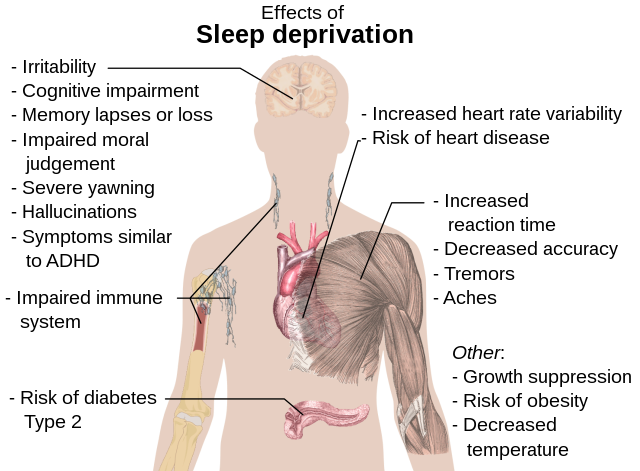
“Sleep debt – Wikipedia” from en.wikipedia.org and used with no modifications.
Commonly Asked Questions
In this section, I’ll answer some popular questions about sleep deprivation and how to enhance your sleep naturally.
What usually causes sleep deprivation?
There are many reasons why you might not be getting enough sleep. Stress and anxiety are big ones, as they can keep your mind racing when you should be drifting off to sleep. The choices you make can also impact your sleep. For example, drinking caffeine or alcohol before bed can make it harder to fall asleep. Your environment can also affect your sleep. If it’s too noisy or too bright, you might have trouble sleeping. And some medical conditions, like sleep apnea, can cause sleep deprivation.
What are some natural ways to get better sleep?
There are several natural ways to enhance your sleep quality. You can begin by establishing a regular sleep pattern and a calming pre-sleep routine. Natural sleep aids such as chamomile tea or lavender oil may also be beneficial.
Make sure your sleep space is cool, dark, and quiet. Get rid of electronic devices and other distractions in your bedroom. Add relaxing activities like yoga or meditation to your routine to help relax your mind and get your body ready for sleep.
Should I still feel tired after getting a full night’s sleep?
If you’re still feeling tired after getting a full night’s sleep, it could be a sign that you’re not getting the quality of sleep you need. This could be because of disturbances during your sleep, like waking up often, or not spending enough time in the deep stages of sleep. It’s a good idea to take a look at your sleep habits and the environment you’re sleeping in to see if there are any problems. Additionally, you might want to explore mental challenges that could be affecting your sleep quality.
If you often feel fatigued even though you’re sleeping enough, it may be time to speak with a healthcare provider or sleep expert. They can help you figure out if there’s a deeper issue, like a sleep disorder, that needs to be treated.
Can I use technology to get better sleep?
Yes, technology can be a great ally in your quest for better sleep, but only if you use it wisely. Sleep tracking apps and devices can give you a detailed picture of how you sleep, and you can use this information to make changes. These apps and devices can tell you how long you sleep, how well you sleep, and if anything is disturbing your sleep. For more insights on how sleep affects your overall well-being, check out the effects of sleep deprivation on attention and mood.
But remember, you should cut down on screen time at least an hour before you plan to sleep. The blue light that screens emit can mess with your body’s internal clock. You might want to use blue light filters on your devices or switch to doing something that doesn’t involve screens before you go to sleep.
“Research from the National Sleep Foundation has shown that using blue light filters on your devices can greatly decrease sleep interruptions from using screens before bedtime.”
Can what you eat impact your sleep?
What you eat has a significant impact on your sleep. Eating large meals, or consuming caffeine or alcohol near bedtime can interfere with your sleep. It’s recommended to avoid these foods and beverages in the hours before you go to sleep. Learn more about the effects of sleep deprivation and how it can impact your health.
Rather than having a heavy meal, choose snacks that aid in sleep such as a small portion of oatmeal or a banana. Foods that are high in magnesium like almonds and spinach are also beneficial as they can help to relax your muscles and enhance the quality of your sleep. While it is essential to stay hydrated, try to restrict your fluid intake just before you go to bed to prevent having to get up in the middle of the night to use the bathroom.
By consciously choosing what you consume, you can aid your body’s natural sleep cycle and enhance your sleep quality.


